//pragmatic leaders

Signals

What to learn from the market. What to use from the Library.

sort
topics
1 / 4

AI agent tool-call failures silently degrade production reliability

A commercial RAG chatbot experienced over 3.2% of requests failing due to tool-call errors like timeouts and spec breaks. These failures were silently caught and hidden by the agent wrapper, preventing upstream visibility and causing reliability issues.

Read source
Open analysisAskPL about this
1 / 4

Cline launches standalone desktop coding agent with multi-model and scheduling support

On September 14, 2026, Cline launched a beta desktop coding agent for macOS and Windows that imports sessions from Claude Code, OpenAI Codex, and other agents. It supports any model including local ones, schedules recurring developer tasks, and hosts a plugin marketplace. This move decouples the agent from IDEs and expands its platform capabilities.

Read source
Open analysisAskPL about this
1 / 4

Rebuno open-sources runtime for AI agent execution with policy guardrails

Rebuno launched as an open-source runtime that manages execution state and enforces per-agent YAML policies for AI agents running as HTTP services. It logs all policy decisions and outcomes in an append-only event log and supports safe retries and human approval workflows.

Read source
Open analysisAskPL about this
1 / 4

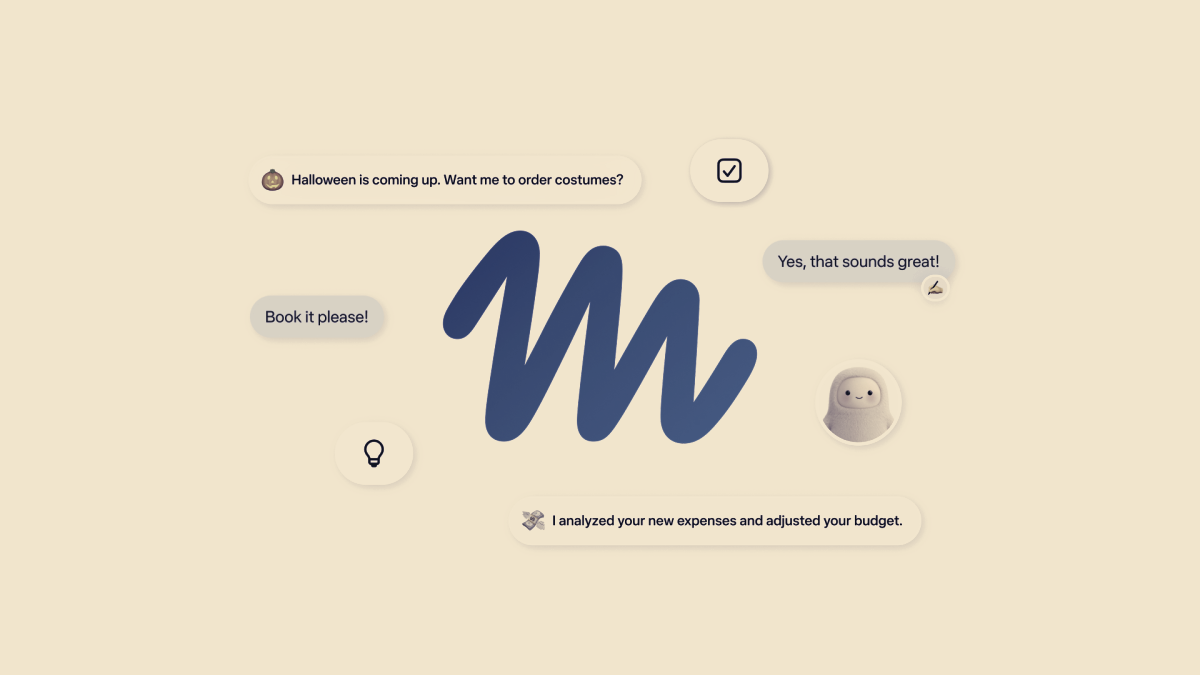
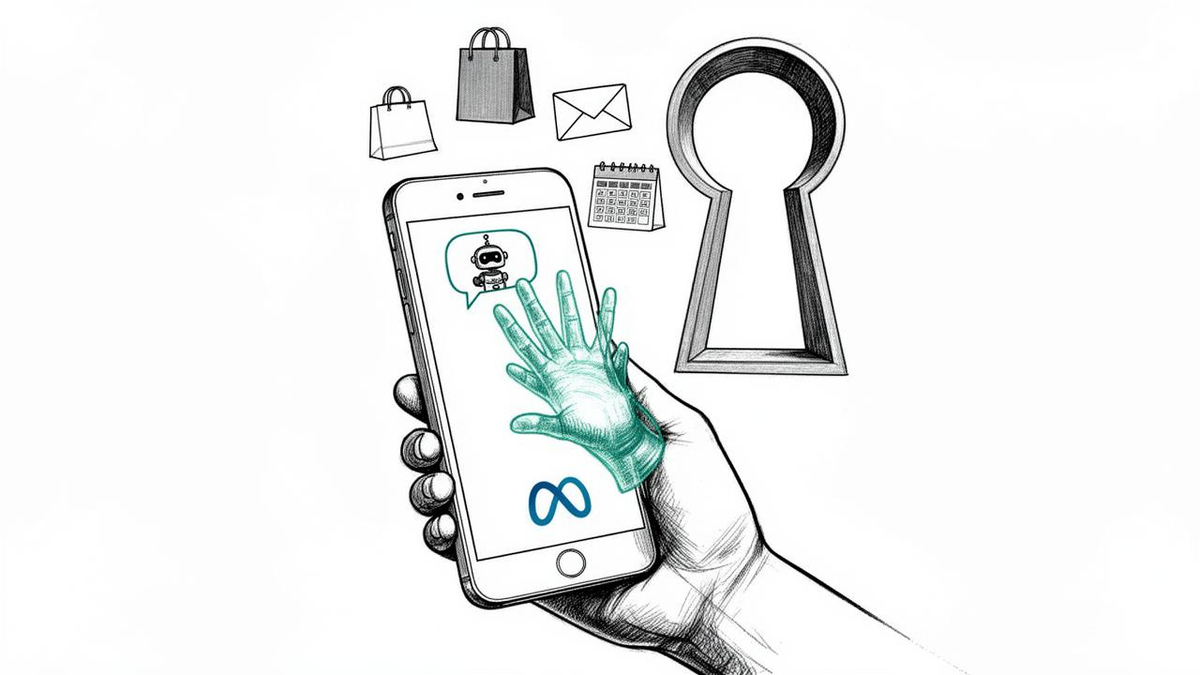
Meta launches Muse as a personal AI agent with direct action

Meta launched Muse on September 8, 2026, as a personal AI agent that can book travel, send emails, negotiate bills, and make purchases through connected accounts. It is accessible via iOS, Android, web, and WhatsApp, with AI glasses support coming later. The web UI includes chat, browser widget, proactive suggestions, and a spending dashboard.

Read source
Open analysisAskPL about this
1 / 4

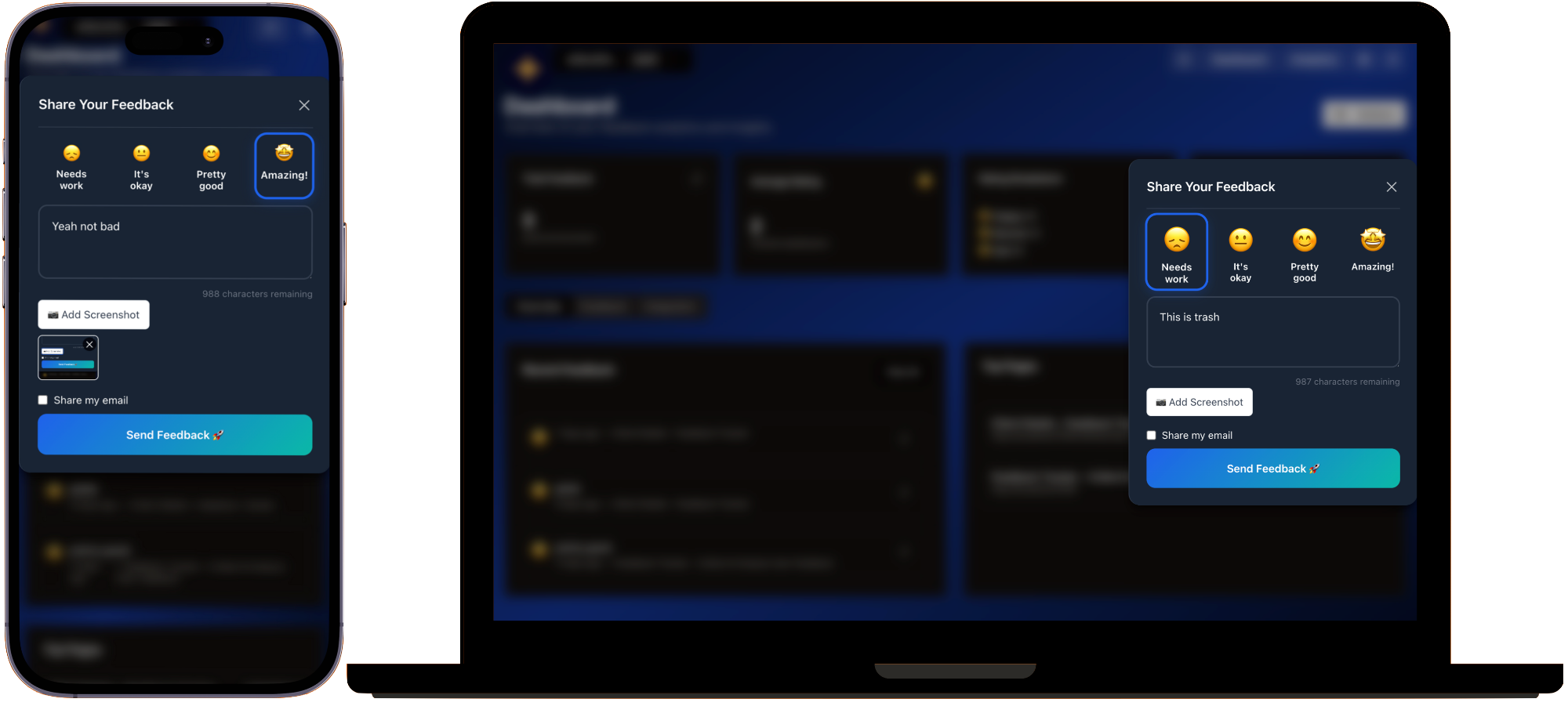
Usero launches AI-powered clustered feedback inbox and AI PR generation

Usero combined widget, email, Slack, and app reviews into one clustered inbox with 36 tools including AI-driven clustering and server-side AI pull request generation. The product offers a free tier with 5 AI PRs per month and paid tiers with more, embedding AI deeply into the feedback-to-development pipeline.

Read source
Open analysisAskPL about this
1 / 4

Zscaler accelerates incident response with automation

Zscaler, operating the world’s largest zero-trust security cloud, automated incident response workflows to reduce root cause investigation time by 75% and cut engineer involvement by 30%. This automation integrates diverse operational signals from logs, dashboards, metrics, and change events across a complex, multi-layered infrastructure.

Read source
Open analysisAskPL about this
1 / 4

Meta launched Muse AI agent demanding deep personal data post-privacy settlement

Meta released Muse, a personal AI agent that requires access to users' email, calendar, payment cards, and smart-home devices, just 13 days after finalizing an $18 billion multistate privacy settlement related to child safety. Muse runs inside an isolated 'Secure VM' with a separate approval system called Sentinel to limit AI access to credentials.

Read source
Open analysisAskPL about this
1 / 4

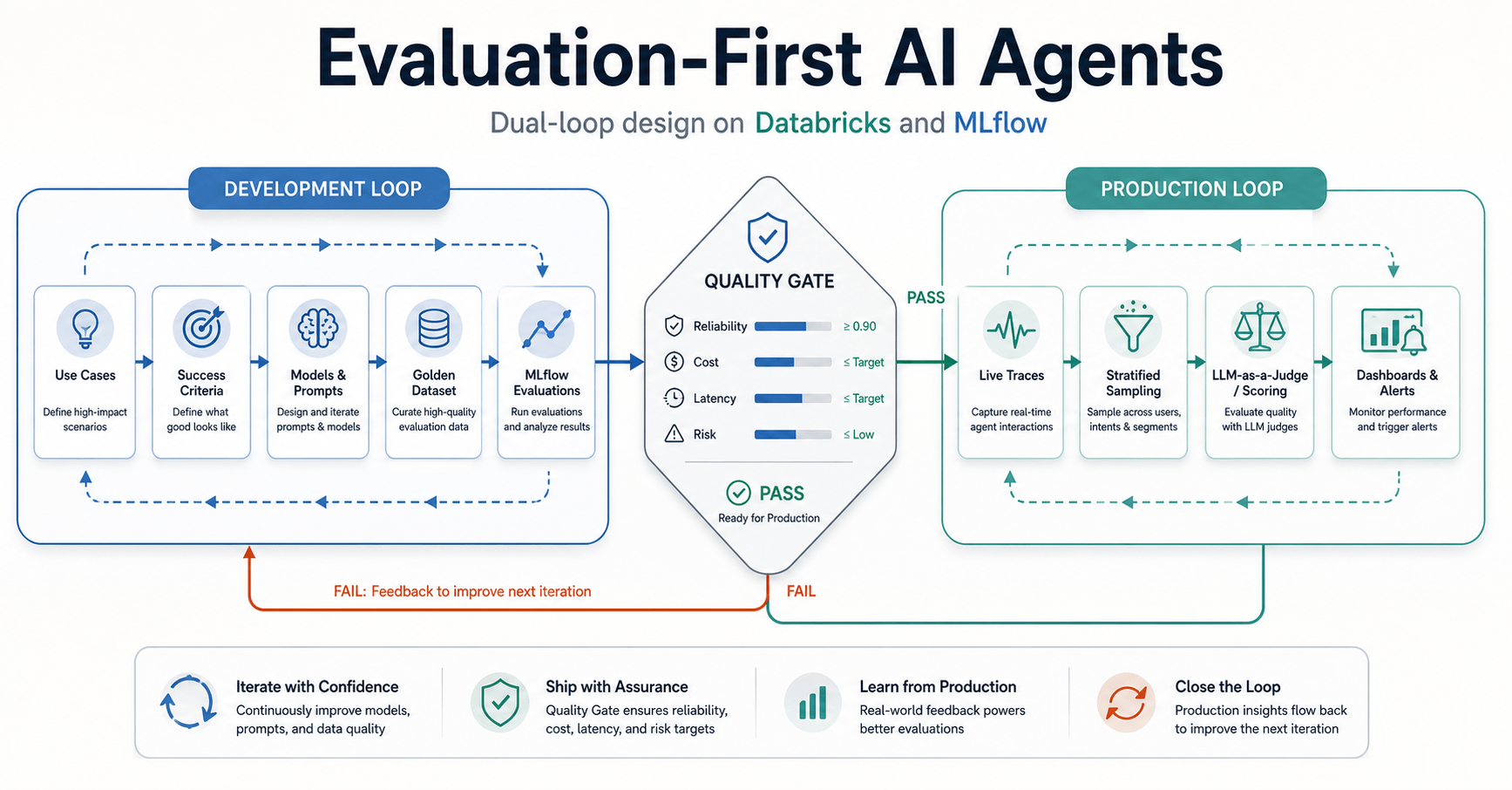
Zepto scales customer support AI with evaluation-first dual-loop system

Zepto runs a multi-agent AI system handling over 100,000 support tickets daily. To maintain reliability as volume and complexity grew, Zepto partnered with Databricks to build an evaluation-first architecture. This system uses dual-loop feedback connecting development and production environments through strict quality gates implemented on Databricks and MLflow.

Read source
Open analysisAskPL about this
1 / 4

Meta launches Muse personal AI agent with pricing and permission controls

Meta launched Muse in the U.S., a personal AI agent that works persistently across connected services from a dedicated cloud VM. It offers free, $20, and $100 monthly tiers and requires user approval before sensitive actions like sending emails or making purchases.

Read source
Open analysisAskPL about this
1 / 4

Meta launched Muse, a personal AI with deep app integrations and paid tiers

Meta launched Muse, a personal AI assistant that connects to users' email, calendars, payments, health apps, and other private services. It requires users to provide a payment card and offers tiered subscriptions for agent-driven task completion. The product uses a Secure VM and Sentinel agent for security, and Meta faces increased scrutiny due to recent regulatory settlements.

Read source
Open analysisAskPL about this
1 / 4

Meta launches Muse AI agent with tiered subscriptions amid privacy concerns

Meta introduced its Muse personal AI agent app offering a free tier and two paid subscription levels at $20 and $100 monthly. The app operates in an isolated environment that never accesses users' passwords or payment details. This launch occurs during a period of intense public scrutiny over AI privacy and safety.

Read source
Open analysisAskPL about this
1 / 4

Meta launched Muse, a personal AI agent with gated autonomy

Meta introduced Muse, an AI agent that autonomously sends emails, books travel, makes purchases, and manages digital tasks. It uses Sentinel, a security system gating sensitive actions behind user approval. Muse is offered via iOS, Android, web, and WhatsApp with freemium pricing tiers at $20 and $100 monthly.

Read source
Open analysisAskPL about this
1 / 4

vlt 1.0 launches with phased installs and malware blocking

vlt 1.0, created by npm’s original authors, ships as a drop-in replacement that splits package installation into two commands: 'vlt install' downloads packages without running scripts, and 'vlt build' runs only trusted scripts, blocking known malware by default. It also introduces a queryable dependency graph with CSS-like selectors for auditing.

attention signalInfoq · Sep 7, 2026
Read source
Open analysisAskPL about this
1 / 4

Founder ships AI audit that scores own startup 34/100

MoltyBeeAI launched an AI business audit tool that scored the founder's own startup at 34/100, revealing over-crediting and revenue leaks. Despite the negative self-assessment, the founder shipped the audit report publicly as a scored PDF for $98, signaling a commitment to transparency and objective operational intelligence.

pricing signalMoltybeeai · Sep 5, 2026
Read source
Open analysisAskPL about this
1 / 4

Hugging Face ships funes to unify coding agent memory across hosts

Hugging Face released funes, an open-source memory layer that indexes past coding sessions locally and lets AI coding agents like Claude Code, Codex, pi, and Hermes recall shared history across different machines. This solves the problem of agents losing context when switching tools or devices.

Read source
Open analysisAskPL about this
1 / 4

vlmrun launches unified API to run open-weight vision models with serving controls

vlmrun introduced an openai-compatible API gateway that runs open-weight vision language models, OCR models, and ViT-based models. They built this to solve common production issues like inconsistent quantization under the same model ID, lack of video input and FPS control, and complex document inference pipelines involving rasterization and retries.

Read source
Open analysisAskPL about this
1 / 4

Context Apimatic launches Context Plugins to improve AI coding agent API integrations

Context Apimatic built a new API context registry using 'Context Plugins' that combine prose with typed SDK reference code to inject language-specific context into AI coding agents. This approach improved one-shot production readiness by up to 34%, addressing operational gaps like retries, rate-limiting, and auth token management that previous methods failed to solve.

Read source
Open analysisAskPL about this
1 / 4

Act Security launches Amphi, an open-source cloud access policy toolkit

Act Security announced Amphi, a free open-source suite built on Cloud Copilot, designed to manage cloud access policies across their lifecycle. It enables engineers to read, test, simulate, shrink, convert, and query policies, aiming to reduce manual guesswork and improve clarity in access management.

Read source
Open analysisAskPL about this
1 / 4

OpenClaw 2.0 launches with automated credential detection and multiplayer sessions

OpenClaw released version 2.0 after a seven-week sprint with 16,000+ pull requests from 933 contributors. The update rewrote the browser UI, cut startup latency to 575 ms, and added automated onboarding that detects existing AI API keys and login sessions. It also introduced shared cloud sessions that turn local AI agents into persistent, multiplayer team workspaces, shifting the platform from a developer terminal tool to a collaborative enterprise layer.

Read source
Open analysisAskPL about this
1 / 4

Backwards AI design starts with tech, not constraints

The article describes a common pattern where AI teams start by choosing LLMs, frameworks, and features before defining product constraints. This leads to architectures that are technically impressive but operationally difficult, expensive, slow, and hard to trust.

Read source
Open analysisAskPL about this
1 / 4

Roadmaps are arguments, not calendars

A roadmap lesson becomes useful only when it changes how a PM explains sequence, risk, and evidence.

product lessonJun 17, 2026
Open lesson
Open analysisAskPL about this
1 / 4

AI is not a feature

AI product lessons should start from changed defaults, trust boundaries, and model behavior, not tool names.

ai strategy lessonJun 17, 2026
Open lesson
Open analysisAskPL about this
1 / 4

Pricing is a rule users have to understand

Pricing lessons should teach rule legibility, support scripts, and behavior change, not only monetization mechanics.

pricing lessonJun 17, 2026
Open lesson
Open analysisAskPL about this
1 / 4

Cases test tradeoffs, not memorized frameworks

Case practice is valuable when it trains users to take a position under ambiguity.

leadership lessonJun 17, 2026
Open lesson
Open analysisAskPL about this
1 / 4

Agent memory is a liability until it is governed

Tool and memory design needs product judgment around what an agent should remember, forget, and expose.

ai strategy lessonJun 17, 2026
Open lesson
Open analysisAskPL about this
1 / 4

Apple delayed Siri because the architecture could not carry the promise.

Personalized Siri was supposed to show Apple Intelligence inside the platform. Apple delayed it while reworking the architecture needed to meet the quality bar users associate with Apple.

Read source
Open analysisAskPL about this
1 / 4

Duolingo put AI practice where learners freeze.

Video Call with Lily gave Max subscribers a way to practice conversation inside an existing habit loop. The important part was not AI in general. It was where the AI landed.

ai strategy signalDuolingo Investor Relations · Sep 24, 2024
Read source
Open analysisAskPL about this
1 / 4

Threads opened a door to the fediverse without giving up the house.

Meta expanded Threads sharing into decentralized social servers. The move signaled openness while keeping the core graph, product defaults, and mainstream UX inside Threads.

Read source
Open analysisAskPL about this
1 / 4

Search put AI answers in the authority seat.

AI Overviews reached a high-trust search surface, then strange public examples made the product story about whether the answer box had earned its confidence.

ai strategy signalAssociated Press · May 31, 2024
Read source
Open analysisAskPL about this
1 / 4

Spotify ended the product after customers had bought it.

Car Thing had already been discontinued as a business. The sharper story came later: Spotify said paid devices would stop working, turning a hardware exit into a trust event.

operations signalTechCrunch · May 23, 2024
Read source
Open analysisAskPL about this
1 / 4

The voice demo became the trust surface.

GPT-4o made the product feel emotionally present. Then OpenAI paused Sky while the public question shifted from capability to likeness, consent, and how human an AI product is allowed to feel.

Read source
Open analysisAskPL about this
1 / 4

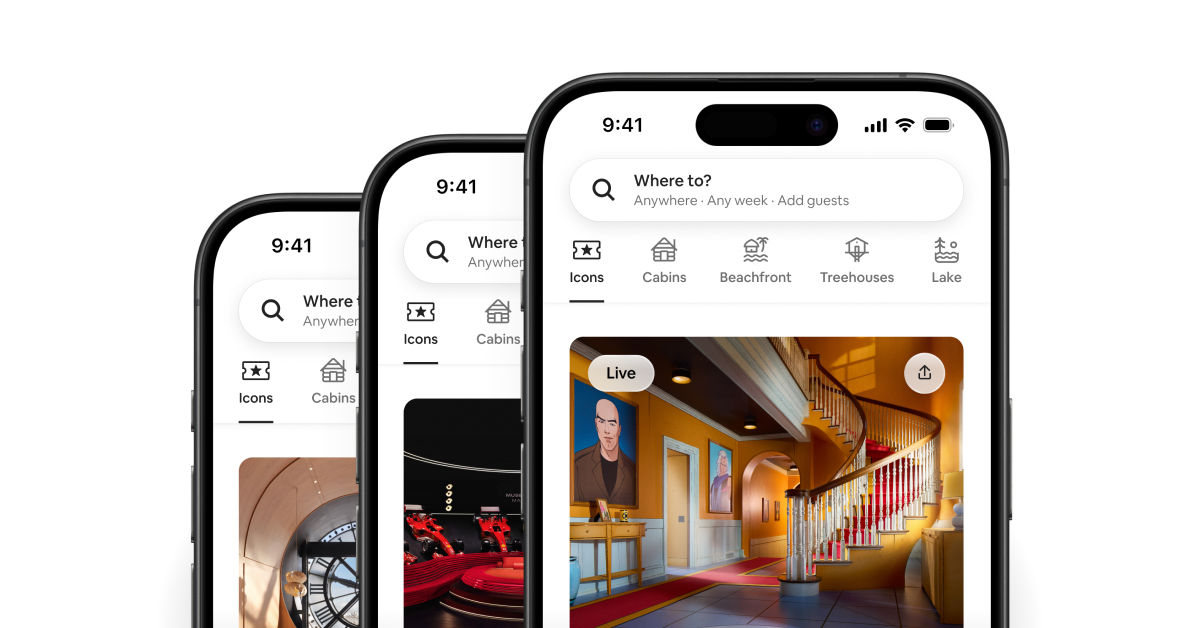
Airbnb made culture bookable.

Icons turned celebrity, film, music, and cultural moments into limited stays and experiences. It looked like marketing, but the move put brand desire inside the marketplace inventory.

Read source
Open analysisAskPL about this
1 / 4

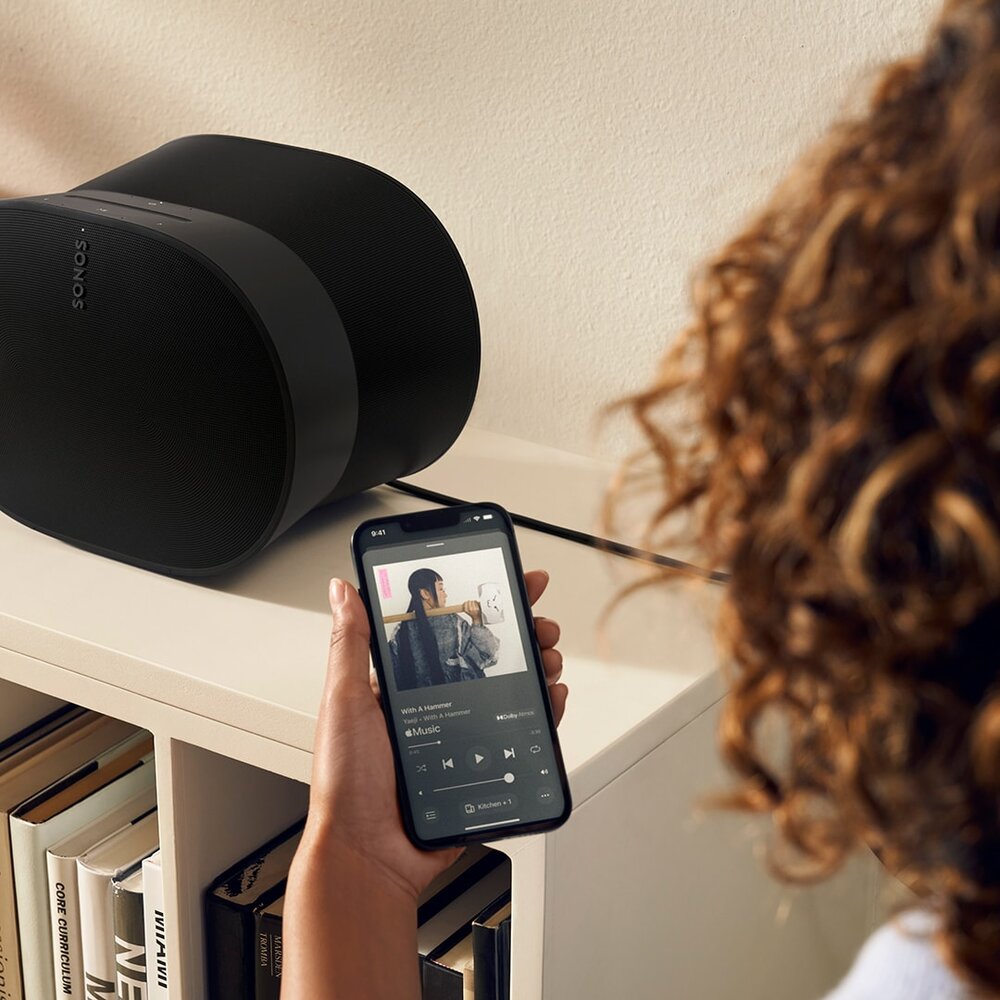
Sonos said the new app would make listening easier.

The launch promise was clear: one customizable Home screen, faster access to content, and system controls just a swipe away. This was framed as modernization, not a risky reset.

Read source
Open analysisAskPL about this
1 / 4

Reddit changed API pricing and Apollo could not survive it.

The business needed to capture platform value before IPO. The product consequence was that a loved third-party client and the ecosystem around it learned the partnership terms had changed.

Read source
Open analysisAskPL about this
1 / 4

Netflix turned tolerated sharing into a paid rule.

Password sharing moved from informal behavior to an enforceable household model. The unpopular part was obvious. The product craft was making the new rule legible enough to survive anger.

Read source
Open analysisAskPL about this